We are
Fire & Flood
We are
Fire &
Flood
Scroll to Explore
We deliver emergency water management and response for critical infrastructure and public safety during climate crisis.
Scroll to Explore
We deliver emergency water management and response for critical infrastructure and public safety during climate crisis.
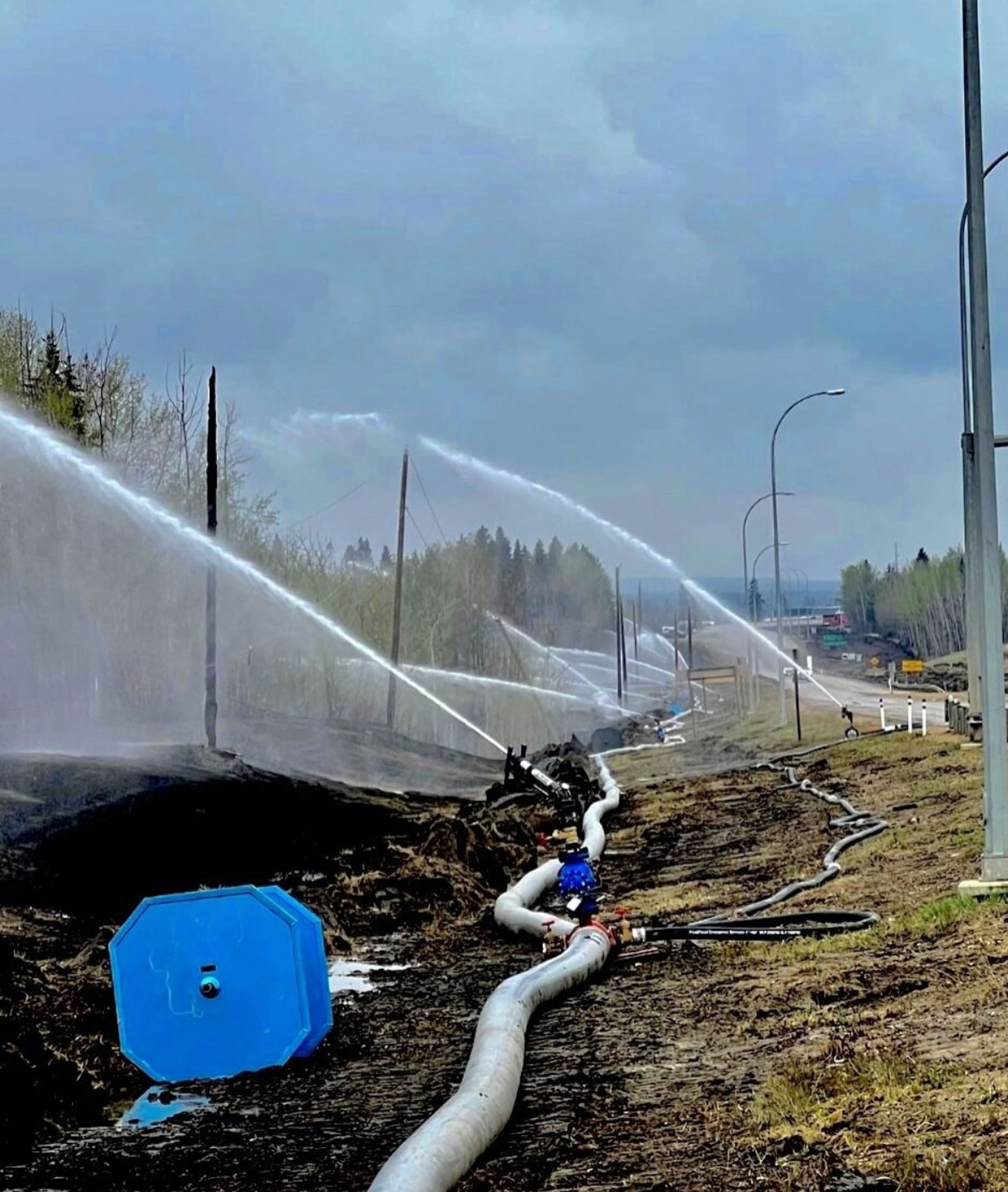
Terry Raymond founded Fire & Flood after witnessing the Fort McMurray wildfires and the Calgary and High River floods. The idea was straightforward: extreme disasters often demand highly effective water management solutions. Fire & Flood exists to supply these solutions to protect communities
In the years since, events like the 2023 wildfire season and ongoing flooding across Canada have continued to demonstrate that need. Fire & Flood provides water management solutions and emergency response services, including patented high-volume wildfire suppression and water supply, flood mitigation solutions, and technical rescue supports.
We are a specialized partner supporting public safety agencies, Indigenous governments, and private sector organizations with emergency response services.
Our services include wildfire suppression using patented systems that create a protective suppression curtain while maintaining a pressurized water supply to the forefront. We also provide flood response through temporary barriers and active dewatering, as well as technical rescue services via our R.E.M.S. team, which offers on-site rescue and medical support to keep crews safe during operations.
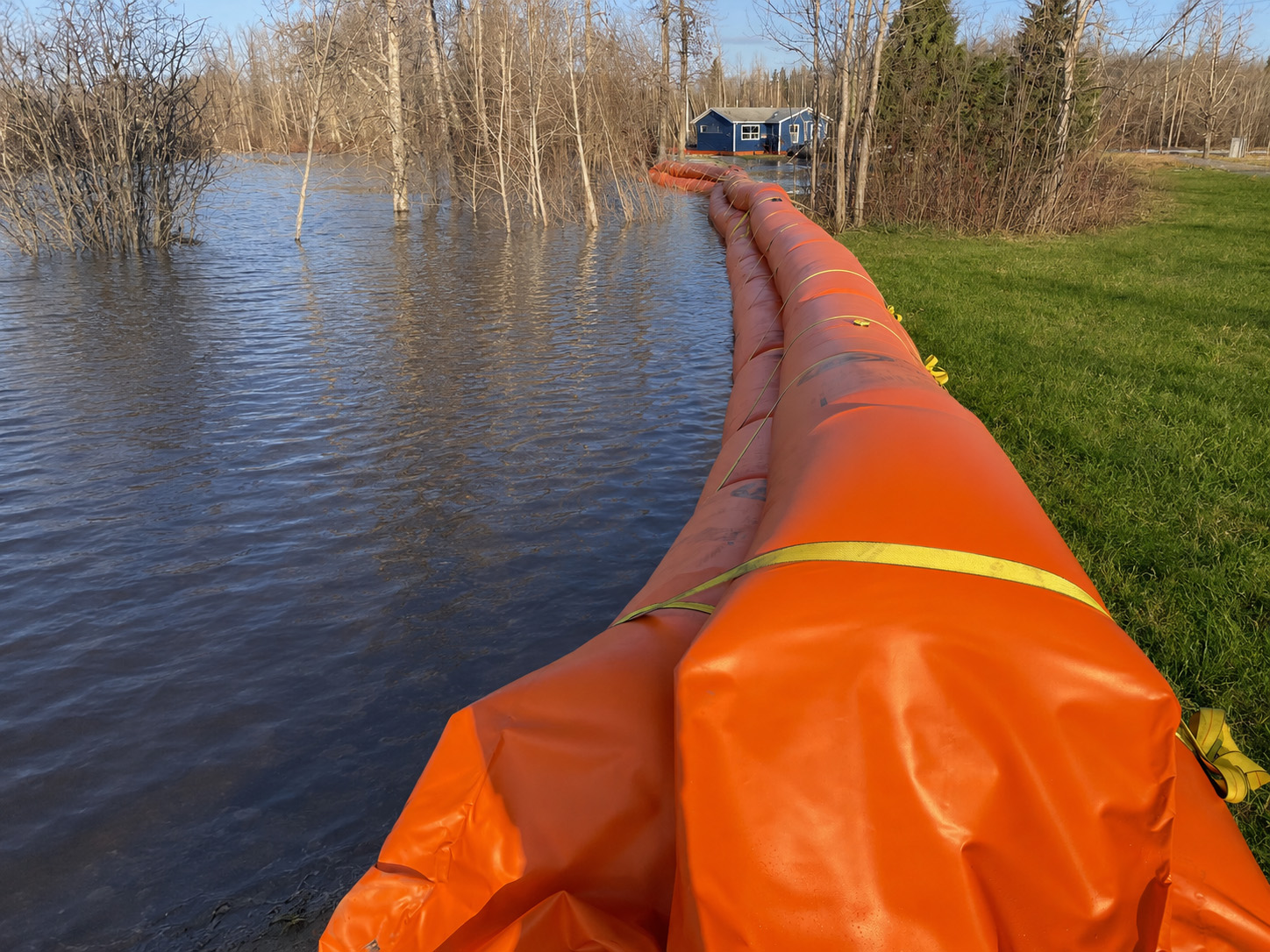
Since inception, Fire & Flood has completed deployments supporting wildfire suppression and water supply, flood mitigation, and technical rescue operations across Canada. Our patented systems have supported 19 active wildfire suppression deployments across four provinces and territories in 2025 alone.
In 2022, we provided response on multi-kilometer barrier deployments, including a single community response where 24 kilometers of temporary flood barriers were deployed spanning more than 72 operational days.
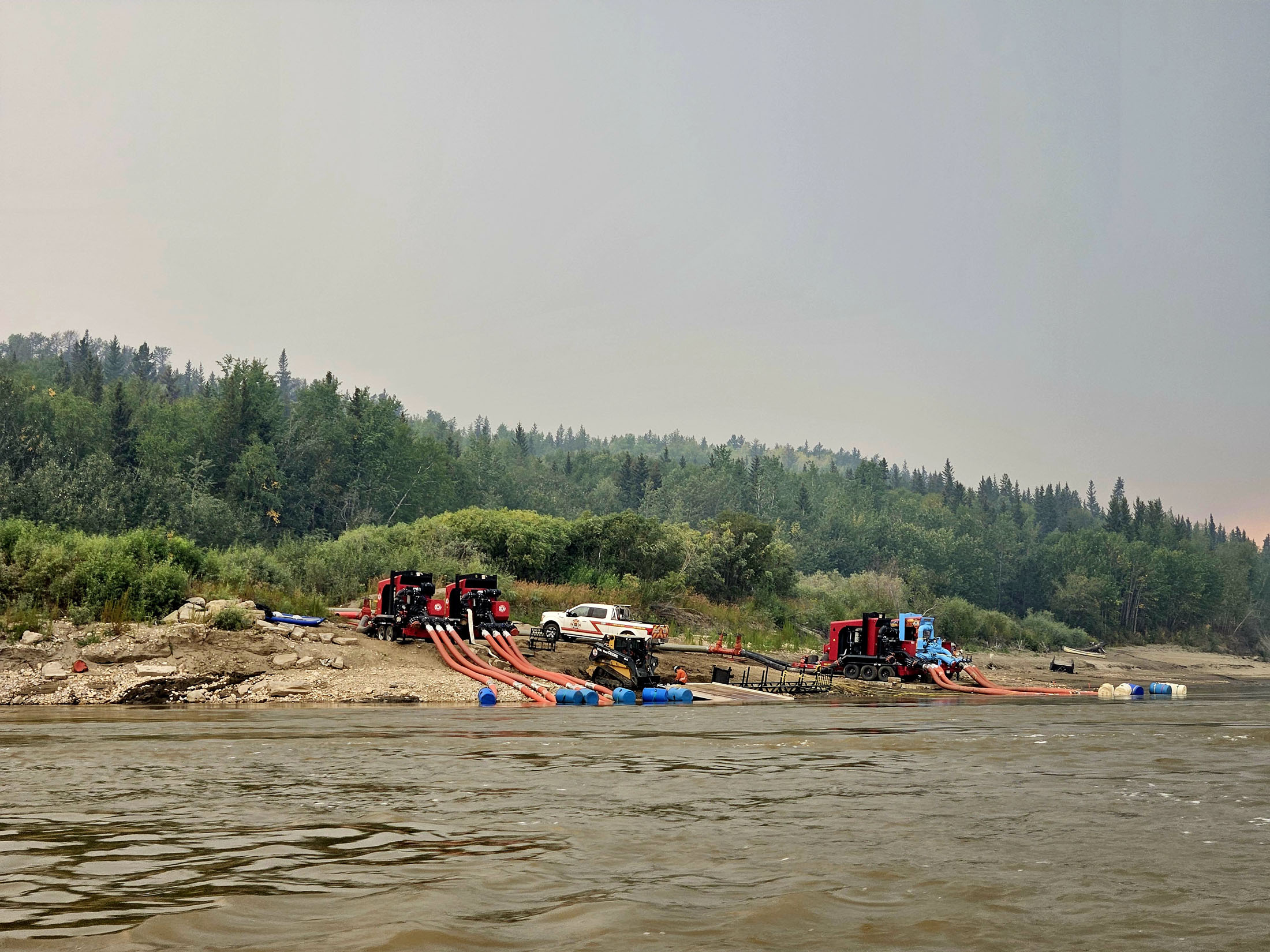
Six fully integrated suppression systems were deployed, including 16 high-volume pumps producing 9,500 gallons per minute, 6.8 kilometers of 12-inch mainline hose, and 12 kilometers of secondary supply hose, supporting 48 large perimeter suppression cannons, 250 structural protection sprinklers, an 11,500-litre tactical tender, and four Type 4 engines spanning 41 operational days.